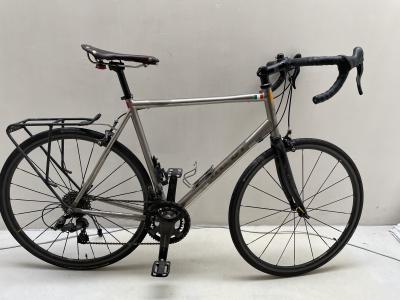
Deda
Deda Elementi emerged from Milan's competitive metalworking scene in the 1990s as a boutique manufacturer of premium handlebars, stems, and seatposts that elevated component specification into an a...
Component PartnerDescription
Deda Elementi emerged from Milan’s competitive metalworking scene in the 1990s as a boutique manufacturer of premium handlebars, stems, and seatposts that elevated component specification into an art form. Operating at a smaller scale than the Japanese conglomerates, Deda cultivates an identity rooted in artisanal precision and Italian design language—clean geometry, intelligent material selection, and uncompromising weight-consciousness. The Superzero and Zero100 product lines represent the brand’s engineering philosophy: extracting maximum stiffness while minimising unnecessary material, resulting in components that respond immediately to rider input without the excess weight of inferior competitors. Professional cycling teams have long recognised Deda components as premium alternatives to established Japanese manufacturers, valuing not merely the performance specifications but the aesthetic refinement and tangible quality of Italian-made precision components. Whether in carbon fibre or 7075 aluminium alloy, Deda components bear the unmistakable stamp of designers who have engineered and tested every detail personally.
For cyclists who view component specification as an extension of personal cycling identity, Deda represents the calibre of Italian metalworking that transforms bicycle setup into an intentional, refined practice.
History
Foundational Years and Boutique Positioning (1990s–early 2000s) Deda Elementi was founded in the 1990s in Milan, emerging from the city’s established tradition of precision metalworking and component manufacturing. From inception, the brand positioned itself as a premium alternative to mass-market manufacturers, targeting discerning cyclists and professional teams who would pay for superior materials and thoughtful design. Whilst larger conglomerates relied on cost-driven manufacturing, Deda invested in research and development, working closely with professional cyclists to refine geometry, stiffness characteristics, and weight distribution. The brand’s early reputation was built on handlebars that felt noticeably more responsive than generic alternatives—a direct result of careful alloy selection and tube profile optimisation.
Component Refinement and Professional Adoption (2000s–2010s) Throughout the 2000s and into the 2010s, Deda expanded its component range from handlebars into stems, seatposts, and integrated cockpit systems. The Superzero line emerged as the brand’s flagship—components engineered to achieve extreme lightness without sacrificing stiffness or safety margins. Professional cycling teams began specifying Deda components not because of sponsorship agreements alone but because testing proved superior performance. The brand’s partnership with UCI WorldTour teams elevated visibility and provided real-world feedback for component refinement. Deda’s stem geometry—particularly the reach and rise options—addressed complaints that Japanese manufacturers offered limited customisation for varied riding positions.
Carbon Fibre Mastery and Contemporary Design (2010s–Present) The transition to carbon fibre manufacturing allowed Deda to extend its philosophy of lightness and stiffness into new product categories. Carbon seatposts and handlebars demonstrated engineering prowess, requiring precise control of fibre orientation and resin ratios to achieve desired flex characteristics. The Zero100 series—positioned as performance-oriented rather than ultra-light—offers customers who prioritise stiffness and predictability over minimal weight a purpose-built alternative. Contemporary Deda designs remain visually distinctive, with clean lines, thoughtful transitions between components, and surfaces that reveal carefully selected materials rather than superficial styling.
Artisanal Manufacturing Philosophy Deda maintains an approach to manufacturing that prioritises quality control and material consistency over production volume. Components are manufactured in relatively limited quantities, allowing for iterative refinement and rapid response to professional feedback. This strategy ensures that Deda components remain premium-positioned products rather than competing on price, a positioning that has proven sustainable despite the brand’s smaller scale relative to global competitors.
Customisation and Rider-Centric Design A distinctive Deda characteristic is the breadth of geometric options available within single product lines. Handlebars are offered in multiple reaches and rises; stems in numerous length, rise, and angle combinations. This approach reflects an understanding that professional cycling demands precise fit geometry, and that manufacturers should enable customisation rather than forcing riders into standardised moulds.
Source
- Website: dedaelementi.com