Mavic
Mavic defined the modern wheel industry through relentless innovation spanning from the 1950s to the present day.
Component PartnerDescription
Mavic defined the modern wheel industry through relentless innovation spanning from the 1950s to the present day. Founded in Lyon, France, the brand transformed cycling wheels from mechanical assemblies into engineered systems where every component—rim depth, spoke tension, hub bearing design, tyre interface—contributes to a unified whole optimised for speed, reliability, or handling according to application. The Ksyrium line established Mavic as the wheel standard for professional road racing; the Cosmic became synonymous with time-trialling aerodynamics; the Helium represented the lightest racing wheel available for its era; the Rims-based R-SYS articulated Mavic’s understanding that wheel performance emerges from holistic system integration. Beyond equipment manufacture, Mavic pioneered neutral service—the support cars (and their distinctive yellow colour) following the Tour de France since 1973, ensuring all riders have access to identical wheels and spare parts, a democratising gesture that elevated the brand into cycling’s cultural mythology. Modern Mavic wheels continue this lineage, balancing competitive advantages with accessibility, heritage aesthetics with materials science innovation.
For cyclists who understand that wheels are not mere components but foundational systems determining acceleration, handling, and reliability, Mavic represents seven decades of uninterrupted innovation rooted in French precision engineering.
History
Founding and Early Innovation (1889–1950s) Mavic was founded in 1889 in Lyon, France, initially as a manufacturer of bicycle rims—a seemingly modest specialisation that became the foundation of a century-spanning legacy. During the early 20th century, Mavic established itself as a rim maker of exceptional quality, supplying professional racing teams and serious enthusiasts. However, the company’s foundational insight was that rim quality alone insufficiently determined wheel performance; the entire wheel system—rim, hub, spokes, bearings—required integrated engineering. This systems-thinking approach positioned Mavic for a leading role when bicycle technology accelerated after World War II.
Post-War Racing Dominance (1950s–1970s) The postwar era saw Mavic emerge as a wheel brand of choice for European professional cycling. The company’s investment in sealed bearing technology—revolutionary at the time—delivered tangible performance advantages: reduced friction, extended bearing lifespan, and predictable handling characteristics across varied weather. Mavic wheels appeared beneath legendary cyclists of the 1950s and 1960s. The brand’s reputation crystallised around reliability and precision: Mavic wheels simply worked, delivering consistent performance under racing stress whilst competing wheels developed play or bearing resistance. By the 1970s, Mavic’s dominance in professional cycling was near-absolute.
Neutral Service Innovation (1973–Present) In 1973, Mavic created one of cycling’s most distinctive institutions: the neutral service car. At the Tour de France, when a rider’s wheel failed or shifting suffered, the rider could receive neutral support—a Mavic car carrying identical wheels and components, available to all riders regardless of team affiliation. This initiative—which continues to this day with cars following the Tour, Giro, and Vuelta—served both commercial and philosophical purposes. Commercially, it ensured Mavic wheels were associated with reliability at the sport’s highest level. Philosophically, it democratised equipment access, ensuring that mechanical failure did not determine race outcomes. The yellow neutral service cars became iconic imagery, woven into cycling’s visual culture.
Specialised Lines and System Thinking (1980s–2000s) Rather than manufacturing generic wheels for all purposes, Mavic developed specialised lines addressing distinct cycling disciplines. The Cosmic series epitomised time-trialling aerodynamics—deeper rims reducing air resistance at speeds where drag dominates physics. The Ksyrium line balanced lightness and stiffness for climbing and accelerations. The Helium represented the ultimate lightweight wheel for mountain climbs. Each line reflected deep understanding of the performance demands of its application, and each line’s existence presumed that cyclists would invest in multiple wheelsets optimised for different purposes. This segmentation—creating product hierarchy by application rather than price point alone—elevated Mavic’s positioning from a wheel manufacturer to a systems integrator.
Contemporary Materials and Innovation (2010s–Present) Modern Mavic wheels incorporate advanced composite rim technology, high-strength alloys, and bearing designs that continue evolving. The R-SYS series introduced three-spoke and disc wheel designs that prioritise aerodynamics and stiffness. Mavic wheels are now available with tubeless-ready construction, broader rim widths optimised for contemporary tyre sizes, and options spanning from ultra-lightweight climbing wheels to heavily braced all-rounder specifications. Mavic’s neutral service continues at all Grand Tours, the yellow cars remaining recognisable to global cycling audiences. Today, Mavic balances heritage and innovation: maintaining aesthetic traditions whilst embracing contemporary materials and manufacturing techniques.
Manufacturing and Quality Philosophy Mavic’s Lyon heritage remains central to brand identity. Whilst manufacturing occurs across multiple facilities, the brand maintains engineering and quality-control centres in France, ensuring that wheel construction adheres to standards established through seven decades of professional racing feedback.
Source
- Website: mavic.com
On Our Bikes
Wheels
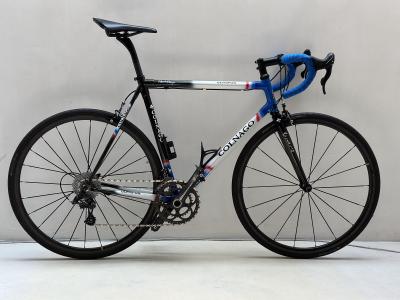
Colnago C40 Team Olympus
Carbon Fiber · TBD
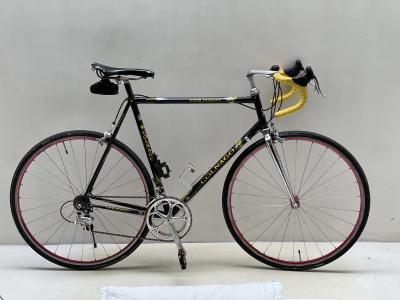
Colnago Master 1996
Columbus Steel · 57cm
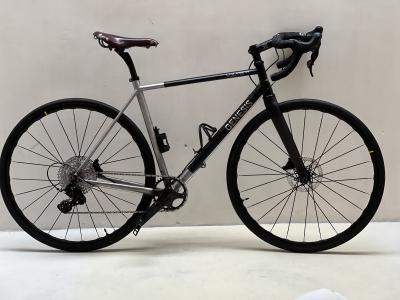
Genesis Volare 931 Disc
Reynolds 931 Steel · 54cm
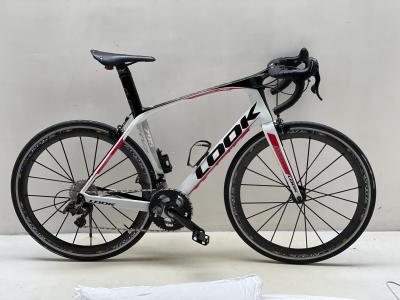
Look 795 Light
1.5k Carbon (HM IM, HR Ultra-light) · S (54)
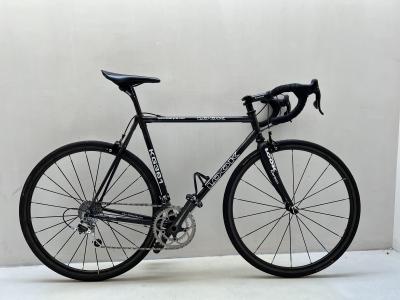
Look KG 361
Carbon HR · 54cm
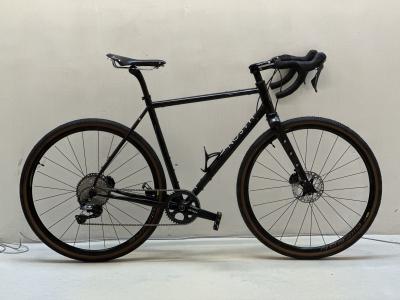
Mason Exposure
Steel (Dedacciai Zero Uno, Reynolds 631) · L (56cm)
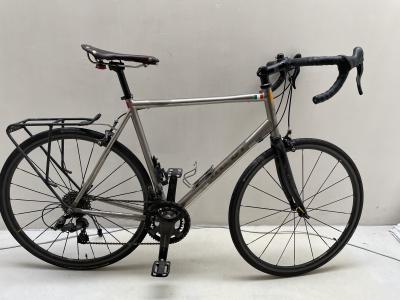
Nevi Grimsel
3AL-2.5V Titanium Grade 9 · 54cm
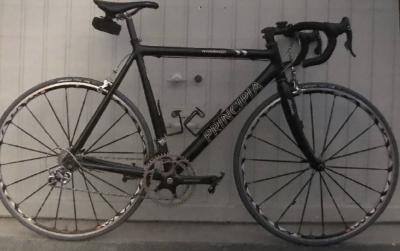
Principia Rex Pro
Aluminium · 56cm
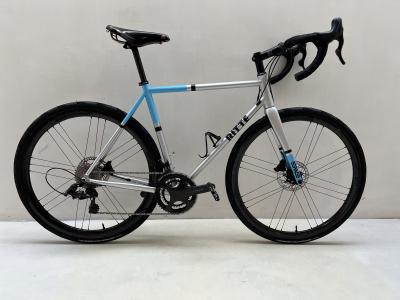
Ritte Phantom
Reynolds 725 Steel · 54 (Medium)
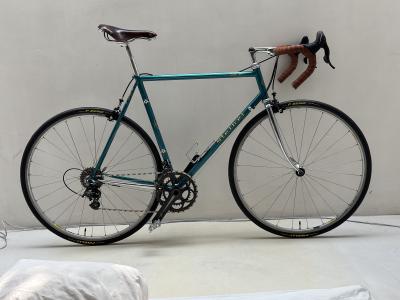
Stelbel Strada Oria
Steel (Oria star-shaped tubing) · 56cm